
I Tried Print on Demand for 7 Days: This Is How Much I Made.
Print on demand (POD) is attractive to new business owners because it’s inexpensive to get started and lets them make custom products without an enormous investment. I Tried Print on Demand for 7 days: This is How much I made.
Alibaba
12/30/20253 min read
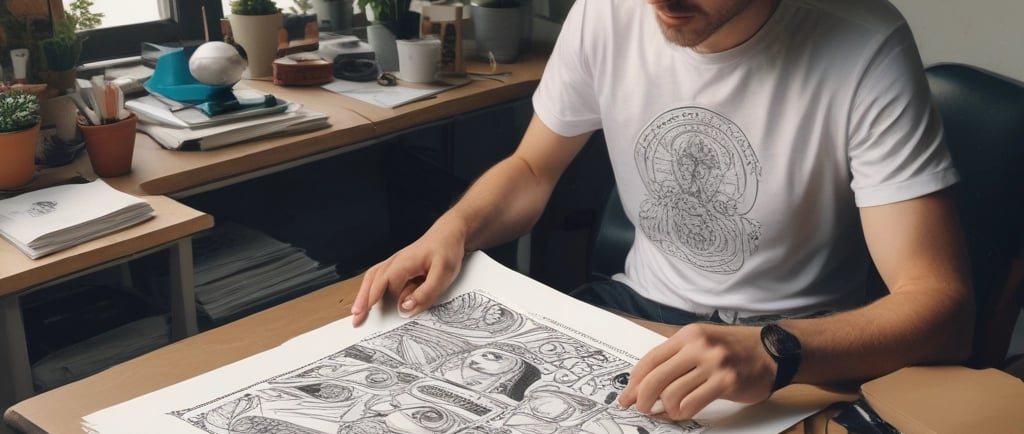

Print on Demand Explained
POD enables people to create and sell items like t-shirts, mugs, phone cases, and posters that are only printed when someone buys them. This removes the need for inventory, lessening financial risk.
The process of starting a POD store often starts with picking a suitable platform. Entrepreneurs can start with user-friendly services such as Redbubble, Teespring, and Printful. Sellers can focus on design and marketing because these platforms handle production, shipping, and customer service. Users can easily upload their art, and the platform takes care of the sales, providing a seamless experience.
A broad range of customizable products and a diverse customer base are both appealing aspects of the POD model. Creative people can customize their offerings to match consumer preferences, whether they’re focused on specific groups or wider audiences. Many successful POD entrepreneurs use social media and marketing tactics to improve exposure and drive sales. The flexibility of print-on-demand allows product and design testing, making it great for an online business.
Entrepreneurs can enter a growing market and have product and creative freedom by using print on demand. This introduction establishes the groundwork for examining individual encounters in the POD realm, showcasing the opportunity for financial achievement in this novel business structure.
7-Day Experiment: Configuration and Plan
My POD venture began with a week of detailed planning and setup. By focusing each day on an original part of establishing my POD store, I avoided feeling swamped and built a firm base for my business.
I dedicated my time to choosing a niche on day one. The vital step was to research market trends, understand customers, and find product gaps. I aimed to find a niche that matched my interests and had consumer demand.
Product design was the primary focus on day two. I used design software, including Adobe Illustrator, to create appealing graphics. I designed pieces using popular themes and current trends to gain attention. This stage required creativity while considering market competition.
After exploring various POD platforms on day three, I chose a user-friendly one that matched my business needs. I considered fulfillment times, product range, and customer support, to choose.
On day four, I began focusing on marketing strategy implementation. I made social media accounts for my brand and started creating content to interact with potential customers. I also investigated how to use influencers and add to expand my products’ reach.
I worked on enhancing the customer experience by refining my store’s layout, pricing, and product descriptions in the days that followed. I worked on this daily to make sure everything was perfect before opening my store. Creating a cohesive brand identity was a priority during this phase.
The Sales and Profits Data: Shown Here
Throughout my seven-day print on demand project, I tracked performance measures, uncovering a blend of surprising and unsurprising findings. My brief period yielded 50 sales, totaling $1,200. But achieving these figures presented obstacles, from related costs that affected my profits.
The major costs were platform fees, production, and advertising. The company spent around $180 on platform fees, and manufacturing each item cost $15, with $750 allocated just for production. I invested $200 in ads to boost traffic to my listings.
My profit after all expenses was a modest $270. The sales data shows T-shirts topped the list, selling 30 units for $900, with accessories like mugs and phone cases contributing 20 sales, worth $300. It’s interesting that T-shirts had a better margin because they cost less to make.
In contrast, some products were unsuccessful. Tote bags and hoodies, for example, had low interest, with just 3 and 2 sales this week. This difference might stem from a few things: market saturation and my design choices. Researching these elements will be beneficial for later work.
This experiment shows that, although print on demand can lead to short-term profits, product choices, marketing, and cost management are key to long-term financial success.
Insights Gained and Strategy Going Forward
My week in print on demand gave me insights I want to turn into advice. First, selecting a product that works is vital. I began by looking at many things; The strategy improved engagement and also made my marketing simpler, which let me connect more personally with potential clients.
As for marketing strategies, social media was an invaluable tool. I found out that visual platforms such as Instagram and Pinterest boost engagement, perfect for displaying product designs. It’s not enough to post. As a result, I’m going to create a more organized content calendar that features consistent audience engagement, boosting my brand’s exposure and cultivating a dedicated customer following.
Signifying analytics is another lesson. Knowing which items appealed to buyers and sale patterns helped shape my future products. Using these insights in upcoming decisions will help me improve my product line and marketing strategy.
I still believe POD has a bright future in the realm of sustainability. Despite the small initial financial gains, the low costs and design flexibility suggest a sustainable long-term business model. I intend to investigate sustainable materials and printing techniques. I aim to stay competitive and build a brand for responsible print-on-demand.