
The Great Transformation: Disappearing and Reappearing Unrecognizable in 2026
The study focuses on the deep pattern of chosen absence and extreme self-change. It implies that escaping societal expectations is often key for personal growth. The Great Transformation: Disappearing and Reappearing Unrecognizable in 2026
MONEY
Alibaba
1/15/20262 min read

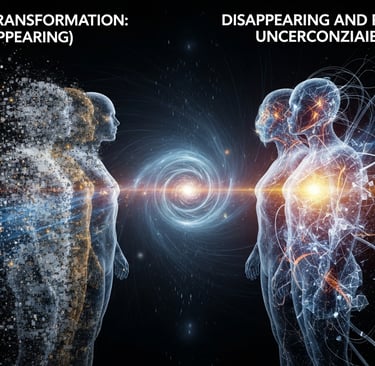
The Art of Vanishing: Why Returning Unrecognized Is the Ultimate Power Move
With digital noise and scrutiny ever-present, many of us want to vanish. This urge to fade away is seldom a complete withdrawal. Through studying the “Architecture of Disappearance and Rebirth,” we can learn how disappearing is essential for rediscovering oneself and changing the limits of life.
Strategic Absence, Not Just an Escape.
Disappearing means arranging a delicate readjustment of self-image, not defeat. Many artists and movements leverage “cycles of absence” to rebrand, turning retreat into a tool for change. This symbolic disappearance provides the silence needed for self-reflection, leading to a renewed sense of direction.
“Sometimes, leaving creates room to think and change.”
Modern logic implies constant visibility leads to success, but this concept is the opposite. The actual strength comes from the intentional gap. In this vacuum, one can spark social change by coming back as a self the world can’t define.
The Off-Grid’ Identity’s Radical Quest.
The modern desire to live “off-grid” embodies a bold search for genuineness amid digital shortcomings. Finding solace in nature and simplicity brings a sense of peace away from the stress of unrealistic demands and always being online. By distancing oneself, or this recovery of self, one puts mental health before shallow public validation. Cutting ties is the first thought, but using tech to rebuild is necessary.
Transformation demands a visual cue.
Internal changes are not the only factor in a real transformation. This transformation starts with in-depth psychological assessment, though it later shows through “visual cues.” These external markers prove that the old identity is gone.
The trip includes these three essential phases: Psychological assessment involves evaluating present circumstances and defining personal goals and motivations. Implementing lifestyle changes: changing habits, diets, or careers. Physical change: Making one’s appearance a clear sign of inner change.
The Return’s ‘Shock.’
Returning to familiar groups is often a shock for both the person and the group, because society has different levels of acceptance for major change. People frequently experience surprise before joy when they return and observe transformations in others because of medical interventions or altered conditions. People who care could have trouble matching their fixed memories with the changed person.
The shock can show up as either skepticism or worry about the reasons for the changes. Though some might see the change as a path to empowerment, others might be doubtful or even fight back. This friction shows how difficult it is to rejoin old groups after major changes in self-image and social roles.
Identity Defined: Resilience.
Successful rebirths rarely follow a linear path. This process of fading away and then reappearing in a new way unveils the intriguing connection between the frailty and the power of who we are. Changing your life requires resilience to face complex emotions and embrace vulnerability.
At its core, the architecture of disappearance acts as an elaborate plan for human development. When we allow ourselves to be absent, we find the room we need to rebuild our authentic selves away from others’ scrutiny. Imagine your disappearance; which brave new self would appear?