
Abandoned on the Field: Oliver Glasner Critiques Eagles’ Transfer Strategy After Black Cats Defeat
Oliver Glasner’s Fight Against the Eagles’ Established Order. Following a frustrating 2-1 defeat to the Black Cats, this report examines the growing internal friction within the Eagles football club. Abandoned on the Field: Oliver Glasner Critiques Eagles’ Transfer Strategy After Black Cats Defeat
SPORTS NEWS
Alibaba
1/18/20263 min read
Introduction: The Rainy Reality Check.
The constant rain during the loss felt like a metaphor for the team’s struggles. A powerful shot in the 23rd minute set the tone for the Eagles’ defense’s long day. Despite a resilient midfield tying the score, a counterattack shattered the team's hopes. This outcome revealed a harsh truth, highlighting the gap between the manager’s goals and the board’s hiring abilities.
Institutional inertia is on the verge of ruining the club. The loss exposed the team’s true weaknesses. This analysis focuses on the essential aspects of a crisis caused by poor hiring.
Takeaway 1: The “Accountability Gap” in the Front Office
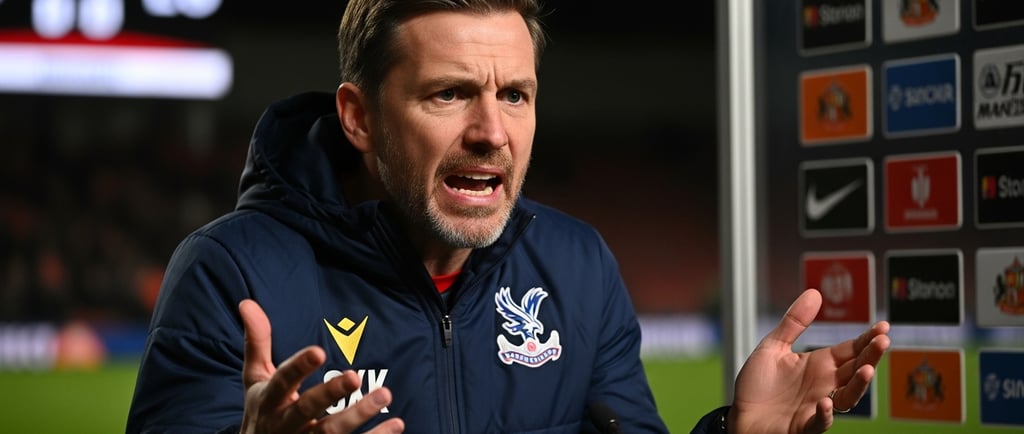
Oliver Glasner’s words after the match transformed the usual coach-speak into a public criticism of the front office. The lack of transfer support was called out, which showed a big change to wanting executive accountability. The coaches appear set up to fail, given this strategic flaw and lack of support. Failing to acquire the best talent isn’t a scouting mistake.
Glasner’s frustration arises from the team’s perceived inability to compete this season. His shift to public criticism, away from tactical changes, underscores how management’s transfer strategy has hurt the team’s potential. The board’s hesitation is now the major problem for the Eagles, which is affecting the manager’s plans. The team will suffer if it does not invest in key positions properly.
Takeaway 2: When “Safe” Scouting Becomes a Liability
The recruitment strategy described in the source favors safety instead of the bold ambition necessary for a fast-changing market. Rivals are making decisive moves to meet their goals, but the Eagles’ “safe” scouting mindset increases their risk. Systemic problems, including money issues and risk-averse management, cause this stagnation. The outcome is a team of players who can’t adapt, which shows that playing it safe is the riskiest bet.
The recent buys are getting lots of criticism since many players haven’t performed well. This cautious approach has caused the club to stagnate while the football world moves forward. If the Eagles don’t change how they recruit, they’ll always be at a disadvantage and won’t be able to compete. Without a simple strategy balancing current needs and future goals, the club faces a dim future.
Takeaway 3: The Hidden Cost of Stagnation: Player Morale
The locker room’s psychological resilience erodes because of this transfer paralysis. Glasner observed that recruitment moves are not tactical. A lack of support leaves key players feeling isolated, and their unhappiness weighs them down. The leaders are struggling in this crisis, which is a psychological fight and a recruitment problem.
High-stakes matches reveal the mounting pressure and frustration of certain individuals. When the group feels the top isn’t investing, discontent grows instead of development. Captains struggle to keep morale up without energy and strategic support. The team’s psychological state is now as vulnerable as its defense.
Takeaway 4: The Tactical Blueprint for Survival
To survive, the Eagles need a new strategy to correct the flaws the Black Cats exploited. The team needs a strong center-back or a versatile defender who can read plays to strengthen the defense now. These roles are crucial for addressing potential difficulties and building a solid base for the team.
Someone must employ a creative facilitator in the middle to manage the pace and mediate defense and attack. This midfielder should focus on establishing connections with the forwards to ensure a smooth transition in high-pressure situations. Recruitment changes must value hard work and flexibility more than technical skill. must manage
The club needs to identify wingers who are both fast and skilled for a better attack. To build a strong, long-lasting team, it’s essential to mix younger and older players. Only by mixing youth with experience can the team handle football’s changes.
The Final Whistle: What’s Next
For continuous success, management must align their vision with Glasner’s weekly tactics. The team needs a well-thought-out improvement, not extra money. The Eagles need a thorough review and brave acquisitions. The dugout has made a clear call for investment and accountability. Will the club’s leadership listen and invest, or will the Eagles stay stagnant?